
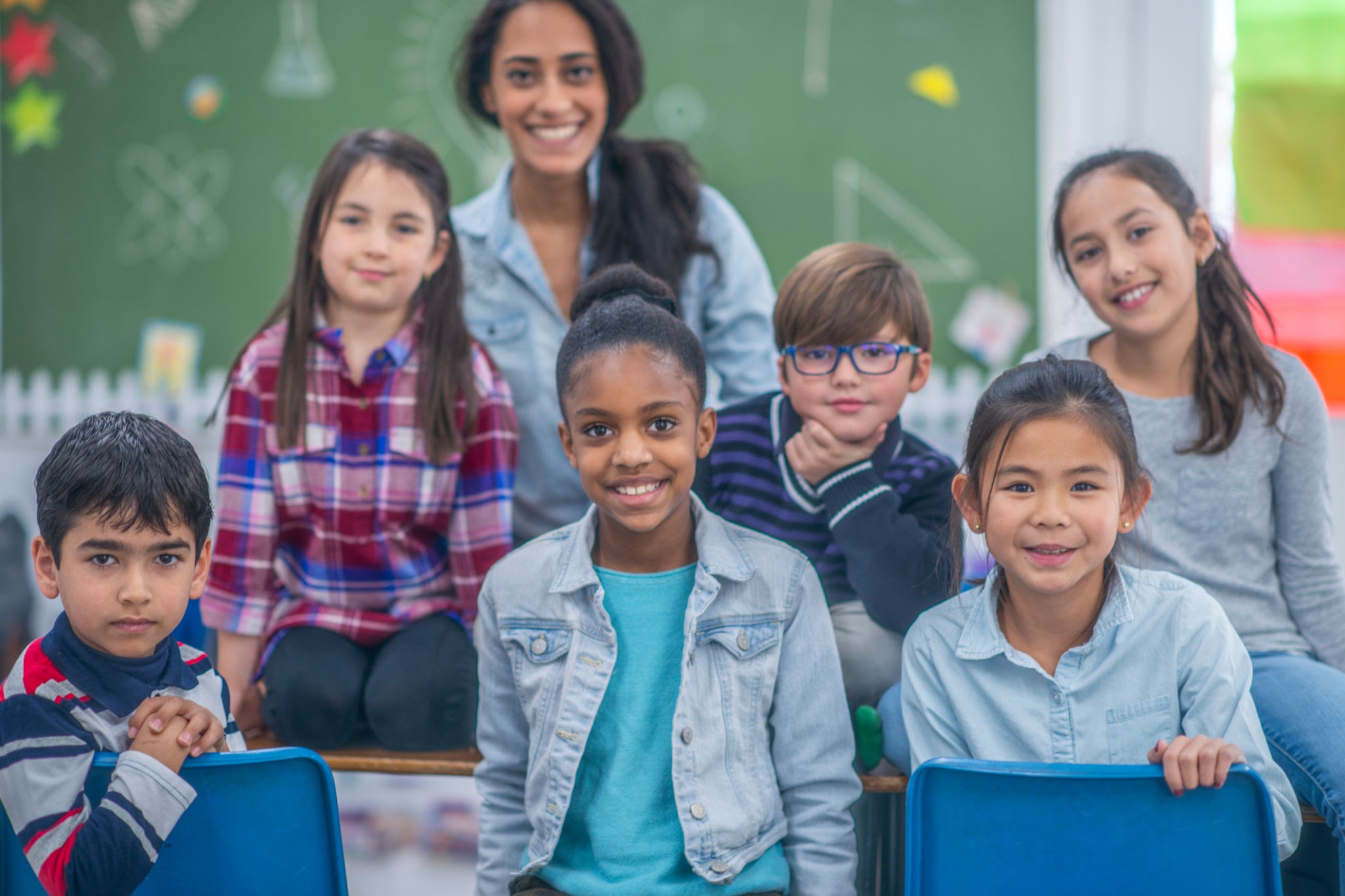
Friendships Across Differences
Empower students to build relationships that celebrate, not separate.
We believe friendships have the power to change school culture. But in diverse classrooms, students often face identity challenges, misunderstandings, and bullying that make it difficult to form healthy peer connections. That’s why we created Friends Across Differences—a student-centered support program that helps young people learn how to build authentic friendships across cultural, racial, and personal lines.
The title reflects our vision: true friendships aren’t built on sameness—they are strengthened by difference. When students learn to recognize and value what makes each of them unique, they create bonds that cross boundaries and build bridges of understanding. By giving students the tools to connect with empathy, celebrate identity, and resolve conflicts respectfully, we help transform differences from potential dividing lines into opportunities for growth, belonging, and unity.
Through interactive lessons, storytelling, and hands-on activities, students experience what it means to:
- Recognize and manage their emotions to strengthen friendships
- Resolve conflicts and address bullying with empathy and respect
- Celebrate identity, foster belonging, and build inclusive peer connections
Our program delivers grade-level classroom support that meets students where they are. With short, high-impact sessions, schools gain a practical way to address cultural differences, identity struggles, and peer conflicts while cultivating a safe, supportive learning environment.
What You’ll Gain – Building Bridges, Not Barriers
When you bring Friends Across Differences into your school, you’re doing more than offering a one-time workshop—you’re equipping both students and educators with the tools to transform everyday interactions into opportunities for growth, empathy, and belonging.
Students gain practical skills for navigating friendships across cultural lines, from recognizing emotions and managing conflict to celebrating identity and creating inclusive peer groups. They begin to see differences not as obstacles, but as strengths that make their community richer. This shift helps reduce bullying, build stronger connections, and create classrooms where every child feels seen, valued, and safe.
Educators benefit too. Teachers and staff walk away with clear strategies and frameworks for addressing identity-based challenges, guiding respectful dialogue, and reinforcing positive peer interactions in the classroom. With these tools, educators move from reacting to difficult situations to proactively shaping an environment of respect and inclusion.
The outcome is a school culture rooted in empathy, respect, and allyship—where students build bridges instead of barriers, and where educators feel supported in guiding young people toward becoming compassionate leaders of tomorrow.
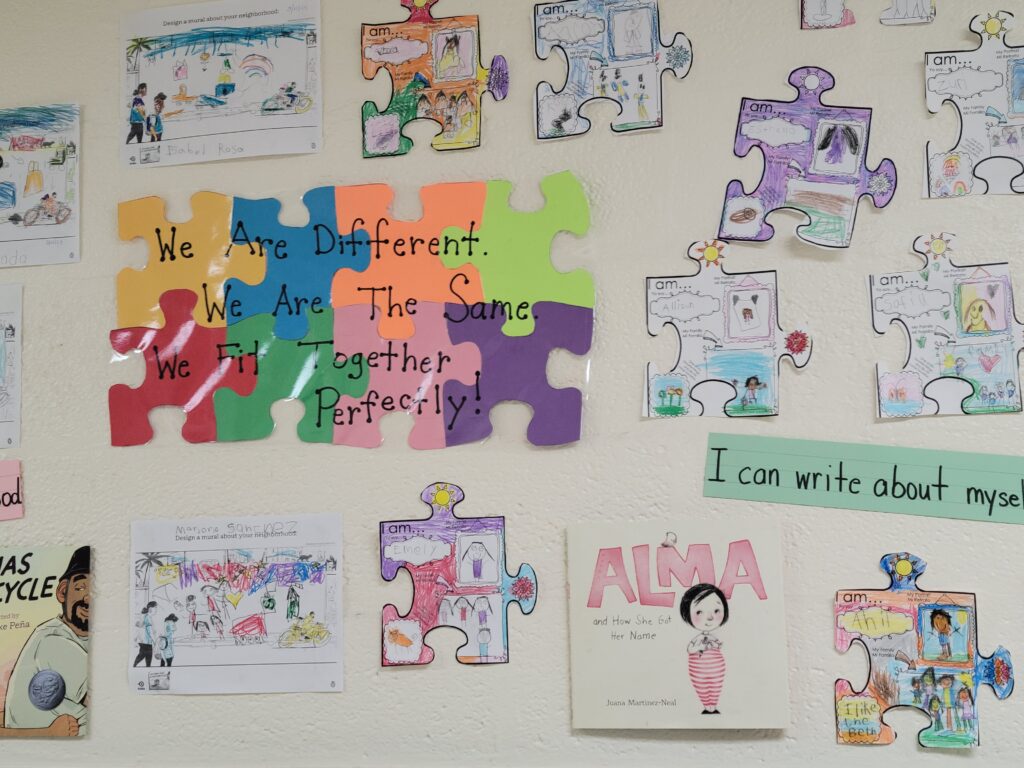
For Students
Through Friends Across Differences, students develop the skills and confidence to foster meaningful relationships that value diversity and inclusion. They learn emotional awareness, recognizing and managing their own feelings while understanding how emotions affect their friendships. They practice conflict resolution, discovering how to solve problems respectfully and with empathy. By exploring identity and belonging, students celebrate who they are and appreciate what makes their classmates unique, creating stronger connections rooted in respect. They also develop inclusive communication, using language that shows curiosity, care, and openness when discussing differences. Most importantly, students step into leadership growth—learning how to be allies for one another and shaping classrooms where everyone feels safe, valued, and supported.
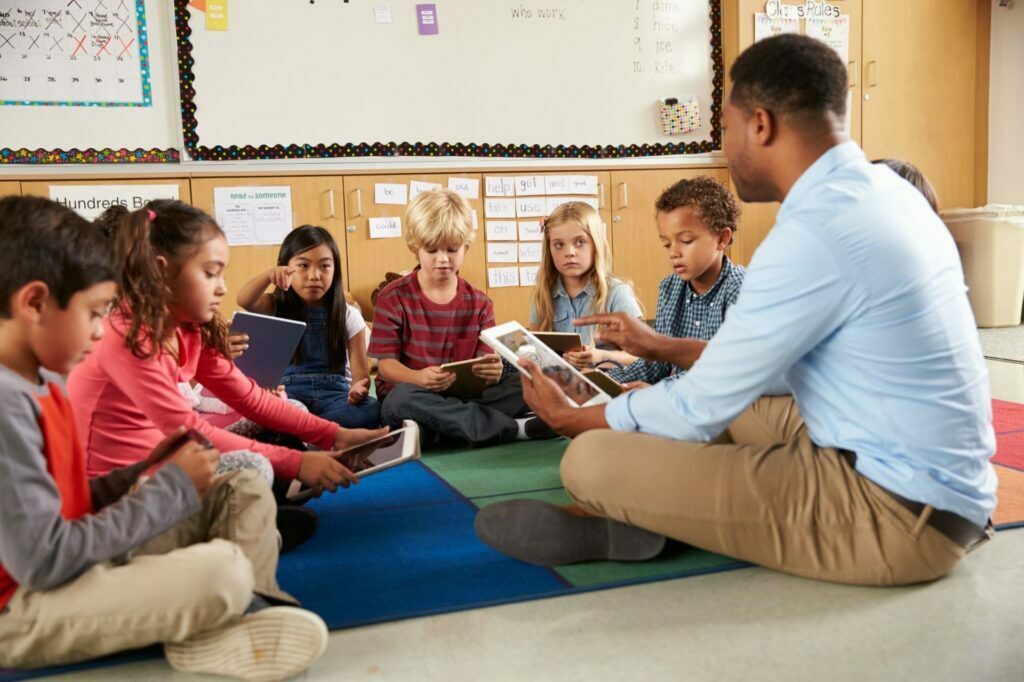
For Educators & Schools
Educators are at the heart of shaping a school’s culture, and the Friends Across Differences program gives them the tools to lead with confidence and compassion. By participating, teachers and staff gain strategies to manage identity-based challenges, foster inclusive dialogue, and guide students toward building respectful peer relationships. The program equips schools not just to respond to issues like bullying and exclusion, but to proactively create environments where kindness, belonging, and equity thrive.

For Parents
Parents play a powerful role in shaping how children see themselves and others. The Friends Across Differences program empowers families with the knowledge, language, and strategies to reinforce equity, empathy, and belonging at home. By participating, parents gain confidence in addressing identity-based challenges, supporting their child’s friendships, and partnering with schools to create a culture where every student and family feels seen and valued.
Together, these takeaways ensure that students, educators, and parents are all working from the same foundation of empathy, respect, and inclusion. By aligning what happens in the classroom with the guidance of teachers and the support of families, Friends Across Differences creates a ripple effect that transforms the entire school community. The result is more than just stronger friendships—it’s a culture of belonging where every child feels safe, valued, and ready to thrive.
Benefits
Parents play a powerful role in shaping how children see themselves and others. The Friends Across Differences program empowers families with the knowledge, language, and strategies to reinforce equity, empathy, and belonging at home. By participating, parents gain confidence in addressing identity-based challenges, supporting their child’s friendships, and partnering with schools to create a culture where every student and family feels seen and valued.
| For Students | For Educators | For Parents |
|---|---|---|
| Emotional Awareness – Recognize and manage feelings to strengthen friendships. | Practical Tools – Strategies to address bullying, identity challenges, and peer conflict in real time. | Equity Awareness – Understand how bias and equity show up at home and in schools. |
| Conflict Resolution – Solve problems respectfully, with empathy and teamwork. | Frameworks & Lessons – Age-appropriate activities that embed empathy and inclusion into classroom culture. | Inclusive Communication – Practice language that fosters respect and belonging at school and at home. |
| Identity & Belonging – Celebrate who they are and value differences in others. | Mindset Shifts – Move from reacting to problems to proactively cultivating kindness and belonging. | Creating Belonging – Partner with schools to ensure every child and family feels seen and valued. |
| Inclusive Communication – Use respectful, curious language when discussing differences. | Schoolwide Impact – Build a culture of empathy and safety that extends beyond the classroom. | Family Advocacy – Gain tools and confidence to serve as equity leaders in the community. |
| Leadership Growth – Become peer allies who create safe, supportive spaces for all. | Sustainable Practices – Apply strategies that last beyond the workshop and ripple through the school. | Action Planning – Collaborate with educators and students to co-create solutions for equity. |
Partner with Progression Partners to cultivate inclusive classrooms where every student belongs.
Our Approach
At Progression Partners, we know that student support doesn’t happen in isolation—it’s most powerful when the entire school community is engaged. That’s why our approach is multi-layered, practical, and deeply relational.
This 360-degree approach ensures that students don’t just learn the skills once—they live them daily, reinforced by the adults and environments around them. The result? Stronger friendships, safer schools, and a culture where every student feels seen, respected, and valued.
Transform school culture through empathy, respect, and belonging.
Success in Action
Schools that have partnered with Progression Partners to bring Friends Across Differences into their classrooms are seeing powerful results. Teachers report that students are more willing to listen to one another, resolve conflicts respectfully, and step up as allies when they witness bullying or exclusion. In one middle school, incidents of identity-based name-calling decreased noticeably after just one semester of classroom sessions. Teachers there shared how students began using the conflict-resolution strategies taught in the program during recess and lunch, demonstrating that the lessons carried beyond structured learning time.
Parents, too, have noticed changes. Educators have echoed that impact.
The result? A stronger, more inclusive school culture where every student feels seen, valued, and empowered to build friendships that last.
Your Next Step
Creating safe, inclusive learning environments doesn’t happen by chance—it happens when schools take intentional steps to equip students and staff with the right tools. That’s where Progression Partners comes in.
Ready to bring Friends Across Differences to your classrooms? Let’s work together to help your students build bridges instead of barriers.

Overview of the topics covered on this page
Other Workshops
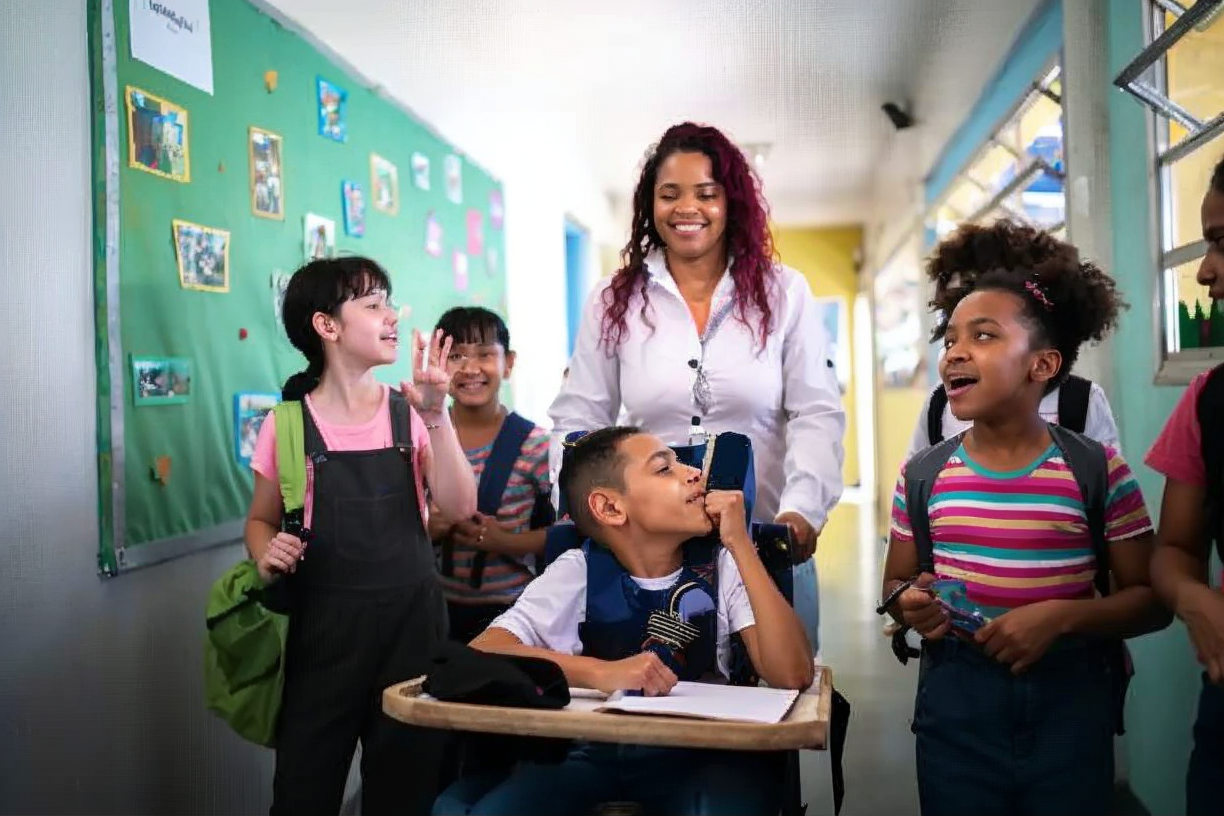
Education
Education
Education
Education
Education
Education
